Health Tips to Consider When Facing Issues After a Dental Surgery

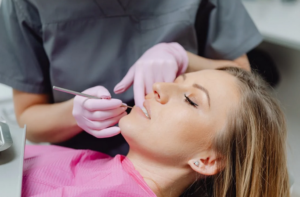
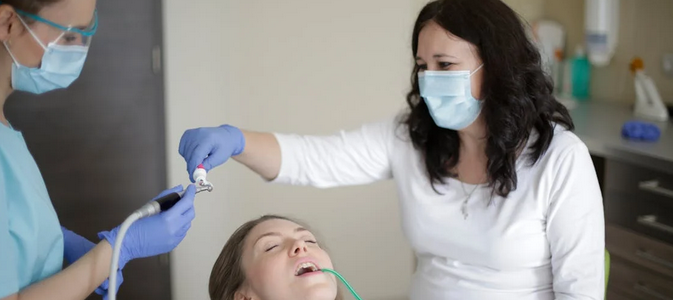
surgery

Dental surgery is often necessary to resolve oral health concerns and improve overall well-being. However, the recovery process can have challenges like swelling, pain, or unexpected complications. When you ask the Dentist in Beaconsfield or other dentists in your area, they will emphasize the importance of proper aftercare during consultation. Ensuring a smooth recovery requires adequate care and attention to post-operative instructions. Here are essential health tips to help you navigate any issues following dental surgery while promoting a safe and effective healing process.

Follow Post-Surgery Instructions

Your dentist or oral surgeon will share detailed post-operative instructions tailored to your procedure. These may include guidelines on medication, diet, and oral hygiene. It is vital to adhere to these recommendations to lessen the risk of complications or delayed healing. Common advice includes avoiding strenuous activities for the first 24-48 hours and using prescribed medications as directed. If antibiotics are part of your treatment, complete the full course to prevent bacterial infections.

Manage Pain and Swelling

Pain and edema are typical following dental surgery but may be adequately treated. Pain medicines, whether over-the-counter or prescribed by your dentist, can help ease discomfort. Applying a cold compress to the outside of your cheek in 15-minute intervals can help reduce swelling during the first 48 hours. After the initial two days, switch to warm compresses to improve circulation and encourage healing. If pain persists or intensifies, consult your dentist immediately, as it could indicate an issue.

Maintain Proper Oral Hygiene

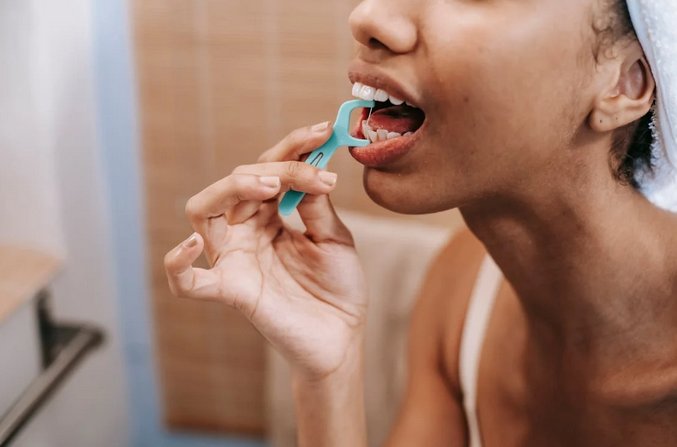
Keeping your mouth clean is crucial after surgery, but you must proceed cautiously to avoid disturbing surgical sites. Use a gentle, alcohol-free mouthwash or a saline solution to rinse your mouth. Brush your teeth carefully, avoid the surgical area, and follow your dentist’s advice on when to resume normal brushing and flossing. Avoid spitting forcefully or using straws, as these actions can dislodge blood clots, leading to a painful condition known as dry socket.
Maintain Proper Oral Hygiene

Recognize Signs of Infection

While mild discomfort is normal after dental surgery, specific symptoms could indicate infection. Look out for increased pain, persistent swelling, fever, or discharge from the surgical site. These symptoms warrant immediate attention from your dentist or oral surgeon. Early detection and treatment of infections can prevent more severe complications, so never hesitate to seek professional advice if you feel something is amiss.

Rest and Allow Time to Heal

Rest is an often overlooked yet essential aspect of recovery. Avoid rigorous physical activities that could increase blood flow to the surgical area, potentially leading to bleeding or discomfort. Keep your head elevated while sleeping, using an extra pillow to reduce swelling and encourage healing. Pushing yourself too hard too soon can prolong recovery and worsen post-surgical issues, so prioritize adequate rest.

Seek Professional Help When Needed

Sometimes, even with the best care, complications may arise. Persistent pain, excessive bleeding, or difficulty opening your mouth are signs that you should contact your dentist immediately. Professional intervention can address these issues promptly and prevent further complications.

Facing issues after dental surgery can be challenging, but following proper health tips can significantly ease recovery. You can guarantee a smooth and successful recovery by adhering to post-operative instructions, managing discomfort, maintaining excellent oral hygiene, and knowing when to seek professional help. Always communicate openly with your dentist to address concerns promptly and promote optimal healing.

Is Cosmetic Dentistry Right for You? Assessing Your Options for a Smile Makeover

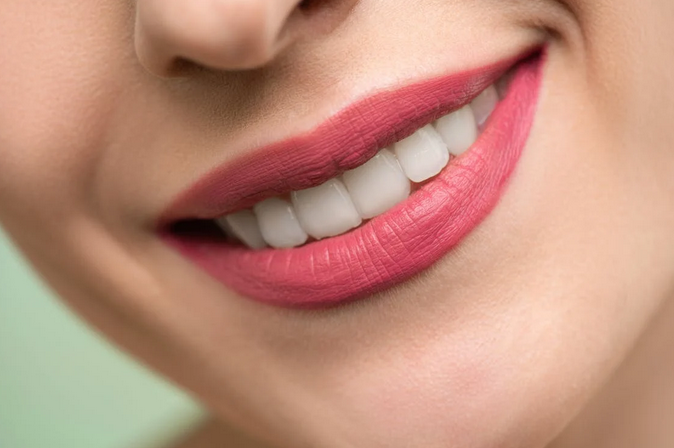
smiling woman

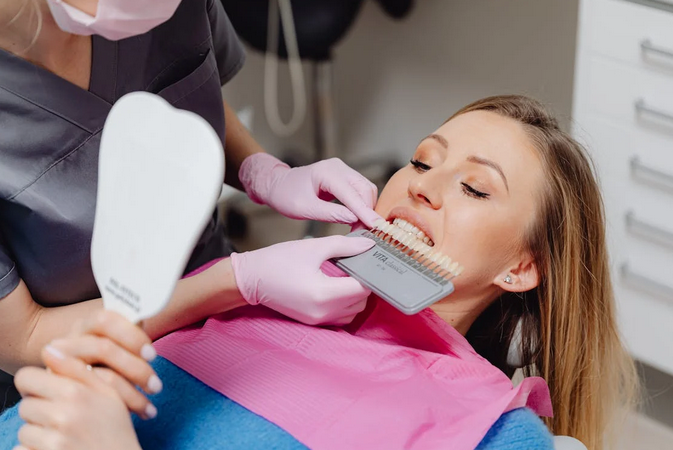
Your smile is often the first thing people notice about you, and if you’re unhappy with it, you’re not alone. Most people turn to cosmetic dentist East Finchley to enhance the appearance of their teeth, boosting their confidence in the process. Whether you’re dealing with chipped teeth, discoloration, gaps, or misalignment, cosmetic dentistry offers a wide range of solutions to help you achieve the smile of your dreams. But is cosmetic dentistry the right choice for you? In this article, we’ll explore the most popular cosmetic dentistry options, their benefits, and how to determine whether a smile makeover is the next step for you.

What Is Cosmetic Dentistry?

What Is Cosmetic Dentistry?

Cosmetic dentistry focuses on improving the appearance of your teeth, gums, and overall smile. Unlike general dentistry, which deals with oral health and preventive care, cosmetic procedures are primarily elective and aimed at enhancing aesthetics. While many treatments can also improve function, their main goal is to give you a smile you’re proud to show off.

Common Cosmetic Dentistry Procedures

    • Teeth Whitening: A simple and popular treatment to brighten your smile by removing stains and discoloration.
    • Veneers: Thin, custom-made shells that cover the front surface of your teeth, correcting issues like chips, cracks, and gaps.
    • Dental Bonding: A tooth-colored resin applied to teeth to repair minor imperfections, such as chips or small gaps.
    • Invisalign or Clear Aligners: A discreet way to straighten teeth without traditional braces.
    • Dental Implants: A permanent solution for missing teeth, where a titanium post is implanted in the jawbone, topped with a natural-looking crown.
    • Gum Contouring: Reshaping the gum line to address a “gummy” smile or uneven gums.

Is Cosmetic Dentistry Right for You?

Before diving into treatments, it’s important to assess whether cosmetic dentistry is the right path for you. Here are a few questions to help guide your decision:

Are You Unhappy With the Appearance of Your Teeth?

The most obvious reason to consider cosmetic dentistry is dissatisfaction with your smile. If you feel self-conscious about chipped, stained, or misaligned teeth, cosmetic procedures can provide a solution tailored to your needs. Whether it’s a minor tweak or a complete makeover, cosmetic dentistry offers ways to address aesthetic concerns.

Are Your Teeth and Gums Healthy?

Before undergoing any cosmetic procedure, it’s crucial that your teeth and gums are in good health. Cosmetic treatments focus on appearance, but any underlying oral health issues, such as cavities, gum disease, or tooth decay, should be addressed first. Your dentist will likely recommend a check-up and necessary treatments before moving forward with cosmetic work.

What Are Your Smile Goals?

teeth

Knowing what you want to achieve is key to choosing the right treatment. Do you want whiter teeth? Do you need to correct a gap or misalignment? Perhaps you’re looking for a complete transformation with a combination of treatments. Discussing your goals with your dentist will help them recommend the best options for your desired results.

What’s Your Budget?

Cosmetic dentistry can be a significant investment, and costs vary depending on the treatment. For instance, teeth whitening is generally more affordable than veneers or dental implants. It’s essential to have a clear understanding of the cost of your chosen procedure, as well as any available payment plans or financing options that can make the process more manageable.

Are You Ready for the Commitment?

Some cosmetic treatments require more time and maintenance than others. Teeth whitening, for example, may need touch-ups over time to maintain brightness, while clear aligners require wearing and switching trays regularly for months to achieve the desired results. Make sure you’re ready for any time commitment or aftercare that comes with your chosen treatment.

Cosmetic dentistry can transform not only your smile but also your confidence and overall well-being. Whether you’re interested in teeth whitening, veneers, or dental implants, there’s a solution out there that can help you achieve the smile you’ve always wanted.

The Invisalign Experience: What to Expect After Treatment

aligner

Welcome to the post-Invisalign stage of your smile transformation journey. Congratulations on completing your treatment and achieving a beautifully straight set of teeth. Now that you’ve bid farewell to those aligners, it’s time to embark on the next phase – maintaining and enjoying your new smile. In this blog post, we will walk you through what to expect after undergoing Invisalign Middlesbrough treatment, providing valuable insights and tips for ensuring long-lasting results. So, brace yourself (pun intended!) as we delve into the world of retainers, adjustment periods, oral hygiene practices, diet modifications, and follow-up visits – all aimed at helping you maintain that dazzling smile.

Retainers

Now that your Invisalign treatment is complete, it’s time to introduce a new player into the game – retainers. These nifty little devices are essential for maintaining the alignment and position of your teeth after the braces come off. Wearing retainers may seem like a hassle at first, but trust us when we say they’re worth the effort. They play a crucial role in preventing any unwanted shifting or relapse of your teeth back to their original positions. Initially, you’ll be advised to wear your retainers all day and night, except during meals and oral hygiene routines. This ensures maximum stability as your teeth settle into their new positions.

Adjustment Period

adjustment

When it comes to the Invisalign experience, one thing that many people may not be prepared for is the adjustment period. While wearing aligners may seem like a breeze compared to traditional braces, there can still be some discomfort and getting used to it. During the first few days of wearing your aligners, you may experience some pressure or soreness as your teeth begin to shift into their new positions. This is completely normal and should subside within a week or so as you get accustomed to wearing the aligners. It’s important to remember that everyone’s adjustment period will vary.

Oral Hygiene

Maintaining good oral hygiene is crucial after completing your Invisalign treatment. While the aligners have helped straighten your teeth, it’s important to continue practicing proper oral care to keep your smile healthy and beautiful. First and foremost, brushing and flossing should be a part of your daily routine. Be sure to brush at least twice a day for two minutes each time, using a soft-bristle toothbrush and fluoride toothpaste. Pay extra attention to brushing around the gumline and all surfaces of the teeth. Flossing is equally important as it helps remove plaque from between the teeth that a toothbrush can’t reach.

Diet and Habits

eat

Maintaining a healthy diet and good oral hygiene habits are essential during and after your Invisalign treatment. While wearing your aligners, it’s important to avoid eating or drinking anything except water. This helps prevent staining or damaging the aligners. Once your treatment is complete, you may be tempted to indulge in all the foods you missed while wearing your aligners. However, it’s still important to practice moderation when it comes to sticky or hard foods that could potentially damage your teeth or orthodontic work. In addition to watching what you eat, it’s also crucial to continue practicing good oral hygiene habits.

Follow-Up Visits

Once your Invisalign treatment is complete, you might think that it’s the end of the road. However, follow-up visits are an essential part of ensuring the success and longevity of your new smile. During these visits, your orthodontist will evaluate how well your teeth have shifted into their desired positions and check if any adjustments or refinements are necessary. They may also take impressions or scans to compare with previous ones and track changes over time. These follow-up appointments typically occur every few months in the first year after completing treatment but may become less frequent as time goes on. It’s important not to skip these visits, even if you feel like everything is perfect.

Completing the Invisalign treatment marks an exciting milestone in achieving a straighter smile. While there may be adjustments and maintenance involved afterward, these steps are necessary for preserving all the hard work put into transforming your teeth. Remember: The end result – a beautiful smile – makes it all worthwhile. Embrace your new smile and enjoy the confidence that comes with it.

Essential Tips to Help Maximize Your Invisalign Treatment

invisalign

Are you considering Invisalign treatment to straighten your teeth? If so, you’ll want to make sure you follow these essential tips to help maximize the results of your Orthodontics Docklands treatment. By taking these simple steps, you can ensure that you’ll get the most out of your Invisalign braces and achieve the beautiful smile you’ve always wanted.

Follow Your Orthodontist’s Instructions

The first and most important tip is to make sure you follow your orthodontist’s instructions to the letter. This means wearing your aligners for at least 22 hours per day, only removing them to eat, drink or brush your teeth. It’s also essential to clean your aligners regularly, as well as your teeth, to prevent plaque build-up.

Don’t Neglect Oral Hygiene

cleanupIt’s also essential to take care of your oral hygiene while you’re wearing Invisalign braces. This means brushing and flossing your teeth at least twice a day and using an antibacterial mouthwash to keep your mouth clean. If you don’t take care of your teeth, you could end up with cavities or other dental problems. When you’re not wearing your aligners, it’s essential to store them in their case. This will help keep them clean and free of dirt and debris. It’s also a good idea to invest in a travel case for your aligners.
Use Chewies and Interdental Brushes

To help keep your teeth and aligners clean, you should use chewies and interdental brushes. Chewies are rubber devices that you bite on to help loosen food particles from your teeth. Interdental brushes are small brushes that you use to clean the spaces between your teeth. By using these devices, you can help keep your teeth and aligners clean and free of plaque.

Wear Aligners for At Least 22 Hours

checkupTo get the most out of your Invisalign treatment, you need to make sure you’re wearing your aligners for using an antibacterial mouthwash tot least 22 hours per day. This means only removing them to eat, drink or brush your teeth. It’s also essential to clean your aligners regularly, as well as your teeth, to prevent plaque build-up.

By following these essential tips, you can help ensure that you get the most out of your Invisalign treatment. This way, you can achieve the beautiful smile you’ve always wanted.